


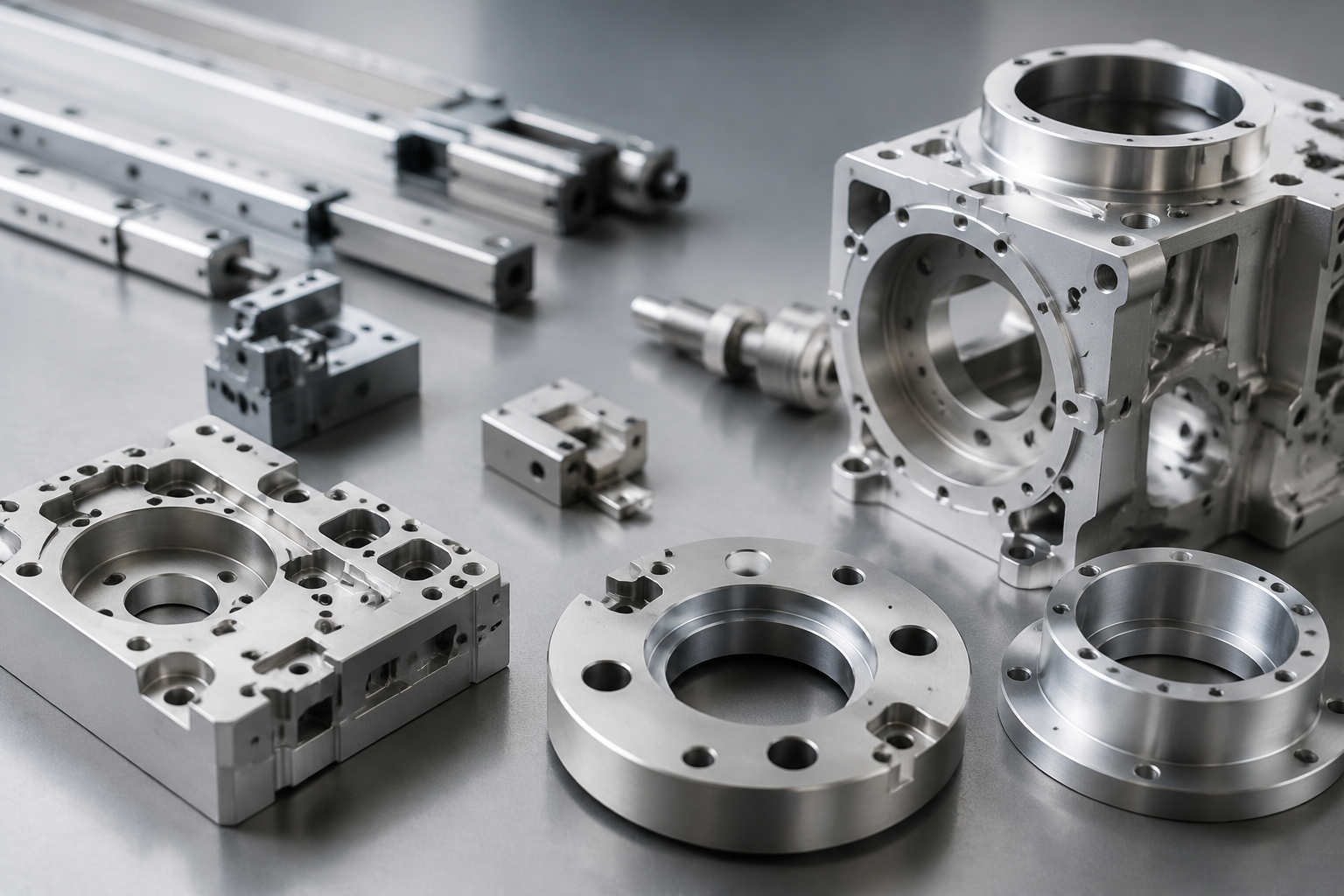
Bei präzisions-CNC-gefertigten Bauteilen ist die Oberflächengüte nicht nur eine ästhetische Anforderung. Sie beeinflusst direkt die Leistungsfähigkeit des Teils, die Formstabilität, die Reibung, die Dichtungsleistung, die Haftung von Beschichtungen sowie die Zuverlässigkeit bei der Montage.
Die Auswahl der richtigen Oberflächengüte für die mechanische Bearbeitung erfordert eine Abwägung zwischen funktionalen Anforderungen, Materialeigenschaften, Fertigungsmöglichkeiten und Produktionskosten.
Bei XY-GLOBAL arbeiten wir mit Kunden aus den Bereichen Halbleiter, Medizintechnik, Optik, Automatisierung und Industrieanlagen zusammen, bei denen die Anforderungen an die Oberflächengüte oft über die üblichen Erwartungen an die mechanische Bearbeitung hinausgehen. Von präzisionsgefrästen Oberflächen bis hin zu nachgelagerten Veredelungsprozessen ist die richtige Strategie zur Oberflächenbehandlung entscheidend für eine gleichbleibende Leistung der Bauteile.

Was sind Oberflächengüten bei der mechanischen Bearbeitung?
Oberflächengüten bei der mechanischen Bearbeitung beschreiben den endgültigen Oberflächenzustand eines CNC-gefertigten Bauteils nach Herstellungsprozessen wie Fräsen, Drehen, Schleifen, Polieren, Strahlen oder der Vorbereitung für Beschichtungen.
Eine Spezifikation zur Oberflächengüte umfasst normalerweise:
- Mittenrauwert (Ra, Rz)
- Anforderungen an Bearbeitungsspuren
- Richtung der Oberflächenstruktur
- Anforderungen an das visuelle Erscheinungsbild
- Anforderungen an die Nachbearbeitung
In technischen Zeichnungen wird die Oberflächengüte üblicherweise durch Rauheitsparameter dargestellt, wie zum Beispiel:
| Parameter der Oberflächengüte | Beschreibung |
|---|---|
| Ra | Arithmetischer Mittenrauwert, am häufigsten verwendet |
| Rz | Gemittelte Rautiefe (Höhenunterschied zwischen Spitzen und Tälern) |
| Oberflächenstruktur | Richtung und Muster der Bearbeitungsspuren |
Für die CNC-Bearbeitung ist Ra der am weitesten verbreitete Parameter zur Definition der Oberflächenqualität.
Gängige Optionen für die Oberflächengüte bei der CNC-Bearbeitung
Unterschiedliche Anwendungen erfordern unterschiedliche Stufen der Oberflächenqualität. Eine höhere Oberflächengüte zu wählen, ist nicht immer besser, da dies die Bearbeitungszeit und die Herstellungskosten erhöhen kann.
1. Oberflächengüte im bearbeiteten Zustand ("As-Machined")
"As-Machined" (roh bearbeitet) ist die Standard-Oberflächengüte bei der CNC-Bearbeitung ohne zusätzliche Veredelungsvorgänge.
Typische Merkmale:
- Sichtbare Werkzeugspuren
- Kosteneffizient
- Geeignet für funktionale Bauteile
- Gute Maßhaltigkeit
Typische Rauheit:
Ra 3,2 μm – 6,3 μm
Typische Anwendungen:
- Strukturbauteile
- Maschinenkomponenten
- Interne mechanische Teile
Für viele industrielle Komponenten bietet eine roh bearbeitete Oberfläche das beste Gleichgewicht zwischen Leistung und Kosten.

2. Feinbearbeitete Oberflächengüte
Bei der Feinbearbeitung kommen optimierte Schnittparameter, schärfere Werkzeuge, kleinere Zeilensprünge und verbesserte Bearbeitungsstrategien zum Einsatz.
Typische Rauheit:
Ra 0,8 μm – 1,6 μm
Vorteile:
- Reduzierte Reibung
- Verbessertes Erscheinungsbild
- Bessere Dichtungsleistung
- Geeignet für Präzisionsbaugruppen
Typische Anwendungen:
- Komponenten für optische Geräte
- Halbleiterhalterungen
- Medizinische Geräte
- Mechanische Präzisionsteile
Um konsistent einen Wert von Ra 0,8 zu erreichen, ist eine sorgfältige Kontrolle folgender Faktoren erforderlich:
- Schnittgeschwindigkeit
- Werkzeugverschleiß
- Materialzustand
- Maschinensteifigkeit
- Werkzeugbahnstrategie
3. Geschliffene Oberflächengüte
Schleifen wird eingesetzt, wenn strengere Oberflächenanforderungen durch Standard-Fräsen oder -Drehen nicht erreicht werden können.
Typische Rauheit:
Ra 0,2 μm – 0,8 μm
Vorteile:
- Exzellente Ebenheit
- Hohe Maßgenauigkeit
- Verbesserte Oberflächenkonsistenz
Typische Anwendungen:
- Präzisionsführungsschienen
- Gleitflächen
- Lagerkomponenten
Allerdings erhöht Schleifen die Herstellungskosten und wird normalerweise nur bei kritischen funktionalen Oberflächen angewendet.
Sekundäre Prozesse zur Oberflächenveredelung
Die CNC-Bearbeitung wird oft mit sekundären Veredelungsprozessen kombiniert, um spezifische funktionale Anforderungen zu erfüllen.
Sandstrahlen / Glasperlenstrahlen
Durch das Strahlen mit Glasperlen entsteht eine gleichmäßige matte Oberflächenoptik.
Vorteile:
- Entfernt Bearbeitungsspuren
- Verbessert das kosmetische Erscheinungsbild
- Sorgt für eine gleichmäßige Textur
Anwendungen:
- Aluminiumgehäuse
- Komponenten für Unterhaltungselektronik
- Teile für medizinische Geräte
Wichtiger Hinweis:
Strahlen kann die Abmessungen leicht beeinflussen, insbesondere bei kleinen Präzisionsmerkmalen. Kritische Maße sollten normalerweise nach der Veredelung fertiggestellt oder entsprechend abgedeckt werden.

Eloxieren
Eloxieren wird häufig bei CNC-Teilen aus Aluminium angewendet.
Vorteile:
- Verbesserte Korrosionsbeständigkeit
- Erhöhte Oberflächenhärte
- Verbessertes Aussehen
Gängige Arten:
- Eloxal Typ II
- Harteloxal Typ III
Konstruktionshinweise:
Beim Eloxieren wird eine Oberflächenschicht aufgetragen, was Auswirkungen haben kann auf:
- Löcher mit engen Toleranzen
- Gewindeabmessungen
- Montageschnittstellen
Daher sollten Konstrukteure bereits in der Bearbeitungsphase ein Aufmaß für die Veredelung einplanen.

Stromlose Vernickelung (Chemisch Nickel)
Die stromlose Vernickelung bietet:
- Hohe Korrosionsbeständigkeit
- Gleichmäßige Schichtdicke
- Verbesserte Verschleißfestigkeit
Sie wird häufig für industrielle Präzisionsbauteile verwendet, die eine stabile Leistung erfordern.
Polieren
Durch Polieren können extrem glatte Oberflächen erzielt werden.
Typische Anwendungen:
- Optische Komponenten
- Medizinische Instrumente
- Dekorative Präzisionsteile
Polieren kann jedoch Material ungleichmäßig abtragen und sollte die Präzisionsbearbeitung nicht ersetzen, wenn die Maßgenauigkeit kritisch ist.
Wie wählt man die richtige Oberflächengüte für die CNC-Bearbeitung?
Die korrekte Oberflächengüte hängt von der Funktion des Bauteils ab, nicht einfach nur von der ästhetischen Anforderung.
1. Funktionale Anforderungen berücksichtigen
Unterschiedliche Anwendungen erfordern unterschiedliche Oberflächeneigenschaften.
| Anforderung | Empfohlene Oberflächengüte |
|---|---|
| Allgemeine mechanische Teile | Ra 3,2 |
| Präzisionsmontage | Ra 1,6 oder besser |
| Gleitkomponenten | Ra 0,8 oder besser |
| Optische Anwendungen | Polieren / Spezialveredelung |
| Vorbereitung für Beschichtung | Glasperlenstrahlen |
2. Materialeigenschaften berücksichtigen
Unterschiedliche Materialien reagieren bei der Bearbeitung unterschiedlich.
Zum Beispiel:
Aluminium
Leicht zu bearbeiten, aber empfindlich gegenüber:
- Werkzeugspuren
- Kratzern
- Oberflächenoxidation
Gängige Veredelungen:
- CNC-Feinbearbeitung
- Glasperlenstrahlen
- Eloxieren
Edelstahl
Erfordert aufgrund folgender Punkte eine sorgfältige Werkzeugauswahl:
- Kaltverfestigung
- Höhere Schnittkraft
- Wärmeentwicklung
Gängige Veredelungen:
- Feinfräsen
- Schleifen
- Elektropolieren
Titanlegierungen
Erfordern aufgrund folgender Punkte kontrollierte Bearbeitungsparameter:
- Geringe Wärmeleitfähigkeit
- Werkzeugverschleiß
Die Oberflächenveredelung muss sorgfältig kontrolliert werden, um die Ermüdungsfestigkeit zu erhalten.

Oberflächengüte vs. Bearbeitungskosten
Ein weit verbreitetes Missverständnis ist, dass zur Erzielung einer besseren Oberflächengüte lediglich die Bearbeitungsparameter geändert werden müssen.
In Wirklichkeit kann eine Verbesserung der Oberflächengüte Folgendes erfordern:
- Zusätzliche Bearbeitungsgänge
- Geringere Schnittgeschwindigkeit
- Neue Schneidwerkzeuge
- Längere Zykluszeiten
- Sekundäre Prozesse
Zum Beispiel:
| Anforderung an die Oberfläche | Einfluss auf die Fertigung |
|---|---|
| Ra 3,2 | Standardbearbeitung |
| Ra 1,6 | Zusätzliche Kontrolle der Bearbeitung |
| Ra 0,8 | Präzisere Bearbeitungsstrategie |
| Ra <0,4 | Schleifen/Polieren kann erforderlich sein |
Daher kann die Vorgabe unnötig strenger Oberflächengüten die Herstellungskosten erheblich steigern, ohne die Produktleistung zu verbessern.
Technische Aspekte bei der Spezifikation der Oberflächengüte
Bei CNC-Präzisionsteilen sollten Kunden Folgendes definieren:
1. Identifizierung kritischer Oberflächen
Nicht jede Oberfläche erfordert dieselbe Güte.
Eine bessere Vorgehensweise bei der Zeichnungserstellung ist:
- Kritische funktionale Oberflächen: spezifische Ra-Anforderung
- Nicht kritische Oberflächen: allgemeine Bearbeitungsgüte
Dies reduziert unnötige Kosten.
2. Oberflächengüte nach der Beschichtung
Wenn Beschichtungen erforderlich sind, sollte der endgültige Oberflächenzustand berücksichtigt werden.
Zum Beispiel:
- Aluminium-Eloxieren
- Pulverbeschichtung
- Vernickelung
Die endgültige Schichtdicke und Textur kann Auswirkungen haben auf:
- Montagetoleranzen
- Kontaktflächen
- Aussehen
3. Messung und Prüfung
Die Oberflächengüte sollte mit geeigneten Prüfgeräten verifiziert werden.
Gängige Methoden:
- Rauheitsmessgerät
- Profilometer
- Optische Messsysteme
Bei hochpräzisen Bauteilen sollte die Oberflächenprüfung in den Qualitätskontrollplan aufgenommen werden.
XY-GLOBAL CNC-Bearbeitungsmöglichkeiten für Oberflächengüten
Bei XY-GLOBAL unterstützen wir Kunden von der Prototypenentwicklung bis zur Serienfertigung mit umfassenden CNC-Bearbeitungs- und Veredelungslösungen.
Unsere Möglichkeiten umfassen:
- Präzisions-CNC-Fräsen und -Drehen
- 3/5-Achsen-Bearbeitung
- Kontrolle der Oberflächenrauheit
- Sandstrahlen
- Eloxieren
- Stromlose Vernickelung
- Pulverbeschichtung
- Schleifen und Polieren
- CMM-Maßprüfung
Für Präzisionsbranchen wie die Halbleiterausrüstung, medizinische Geräte, Optik und industrielle Automatisierung helfen wir Kunden, basierend auf der Funktion des Teils, den Toleranzanforderungen und den Produktionskosten die am besten geeigneten Oberflächengüten auszuwählen.
Fazit
Die Wahl der richtigen Oberflächengüte für die mechanische Bearbeitung ist eine technische Entscheidung, die die Produktleistung, Zuverlässigkeit und die Herstellkosten beeinflusst.
Die beste Oberflächengüte ist nicht immer die glatteste. Es ist diejenige, die die funktionalen Anforderungen erfüllt und gleichzeitig eine effiziente Produktion aufrechterhält.
Durch die Kombination von CNC-Bearbeitungs-Know-how, Wissen über Oberflächenbehandlungen und Fertigungserfahrung hilft XY-GLOBAL seinen Kunden dabei, zuverlässige und kostengünstige Präzisionsbauteile zu erhalten.


Aktie:
XY-GLOBAL nimmt Produktion nach dem chinesischen Neujahr wieder auf | Präzisions-CNC-Bearbeitung & Druckguss