


Precision Liquid Cold Plate Manufacturing
One-stop manufacturing solutions for liquid cold plates and water cooling plates, delivering precision machining, reliable sealing, and high thermal performance—from prototype to mass production. Request a Quote Today.
- Prototype in Days
- Friction Stir & Laser Welding
- 100% Pressure Holding and Leak Testing
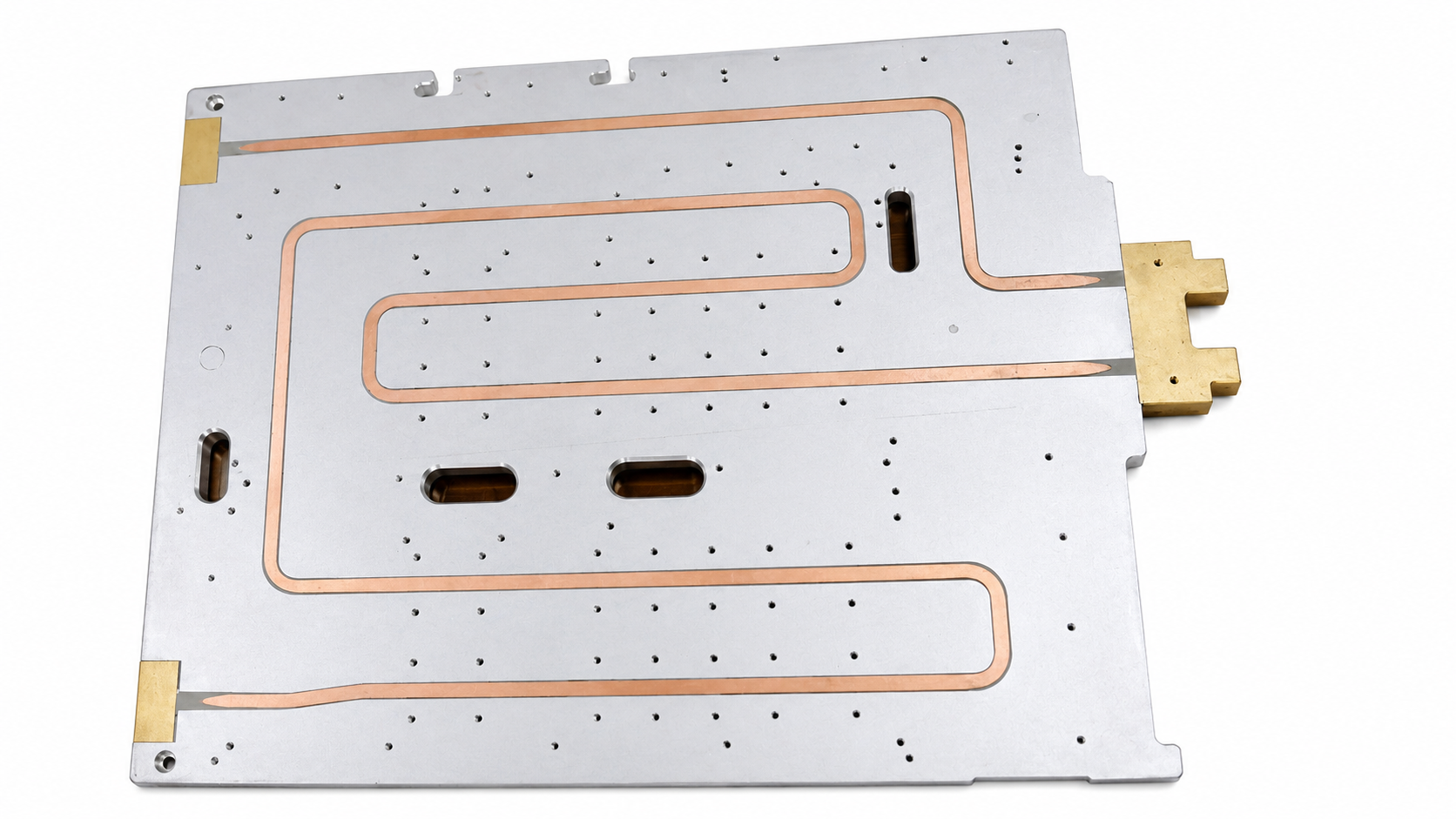
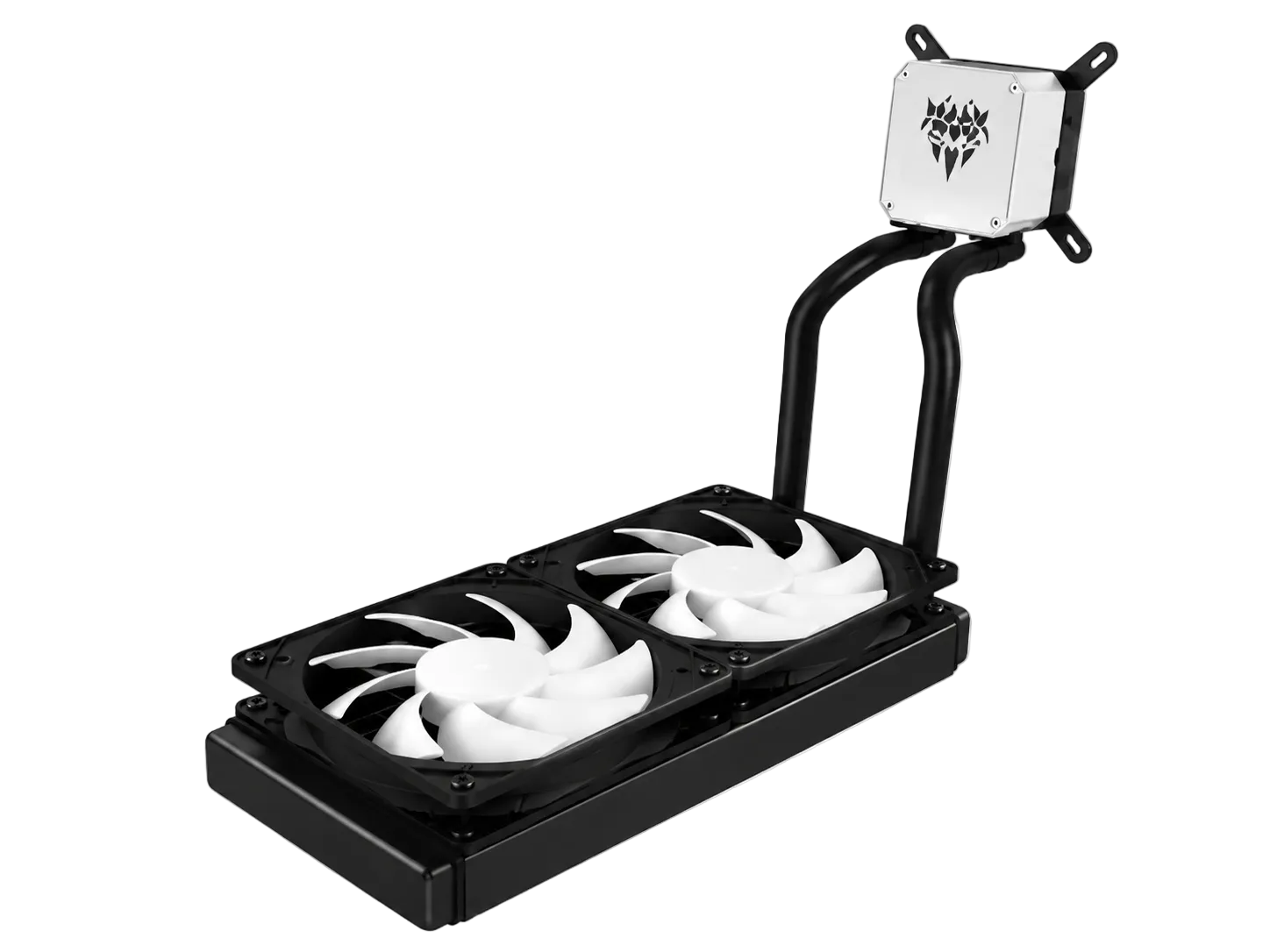
Cold Plate Liquid Cooling
A liquid cold plate(LCP) is a key thermal management component designed to remove heat from high-power and high-heat-density equipment. Compared with traditional air cooling, liquid cold plates provide higher heat transfer efficiency and more stable temperature control.
During operation, heat is transferred from the heat source to the cold plate surface. Coolant flows through internal machined channels, embedded tubes, or sealed channel structures and carries the heat away through the cooling loop. With 15+ years of experience, we optimize water cooling plate designs to improve temperature uniformity, cooling efficiency, and long-term leak-free performance.
Liquid Cold Plates of Different Materials
Liquid cold plates are typically manufactured from copper, aluminum, or stainless steel. A copper cold plate offers the best thermal performance for high-power cooling, while an aluminum cold plate provides an excellent balance of weight, cost, and manufacturability. Stainless steel is mainly selected for applications requiring high corrosion resistance.
| Property | Copper (C11000) | Aluminum (6061-T6) | Aluminum (6063) | Stainless Steel (304) |
|---|---|---|---|---|
| Thermal Conductivity (W/m·K) | ~390–400 | ~167 | ~200–210 | ~15–16 |
| Density (g/cm³) | 8.96 | 2.7 | 2.7 | 7.9 |
| Volumetric Heat Capacity (J/cm³·K) | 3.45 | 2.42 | 2.43 | 3.95 |
| Specific Heat Capacity (J/kg·K) | 385 | 897 | 900 | 500 |
| Thermal Diffusivity (mm²/s) | 117 | 64 | 80 | ~4 |
| Advantages | Best thermal conductivity | Lightweight & cost-effective | Lightweight & better heat transfer | Excellent corrosion resistance |
| Limitations | Heavy & expensive | Lower conductivity than copper | Lower strength than 6061 | Poor thermal conductivity |
| Typical Applications | High-power cooling | General cold plates | Lightweight cooling systems | Corrosive environments |
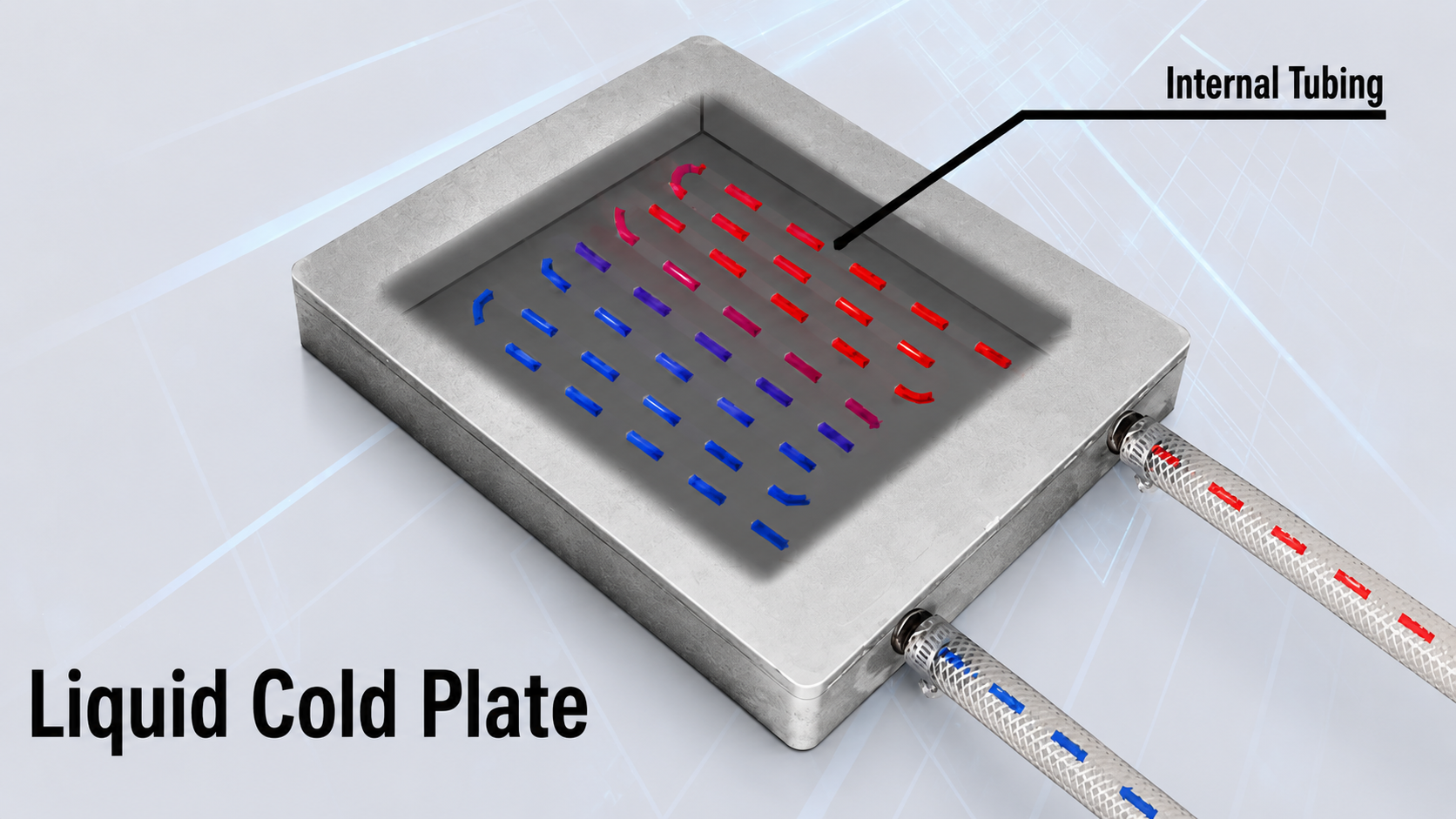
How Does a Liquid Cold Plate Work
A liquid cold plate transfers heat from electronic components to a circulating coolant through high-conductivity metal and internal flow channels. As the coolant flows through the sealed channels, it absorbs heat and carries it to an external heat exchanger, where the heat is dissipated before the cooled liquid recirculates. This closed-loop process provides efficient and stable thermal management for high-power electronic systems.
Cold Plates Liquid Cooling Solutions
At XY-GLOBAL, we provide various liquid cold plate solutions, including tube-embedded, brazed, friction stir welded (FSW), etc. Each solution can be customized based on your thermal performance, pressure drop, sealing, size, and installation requirements.
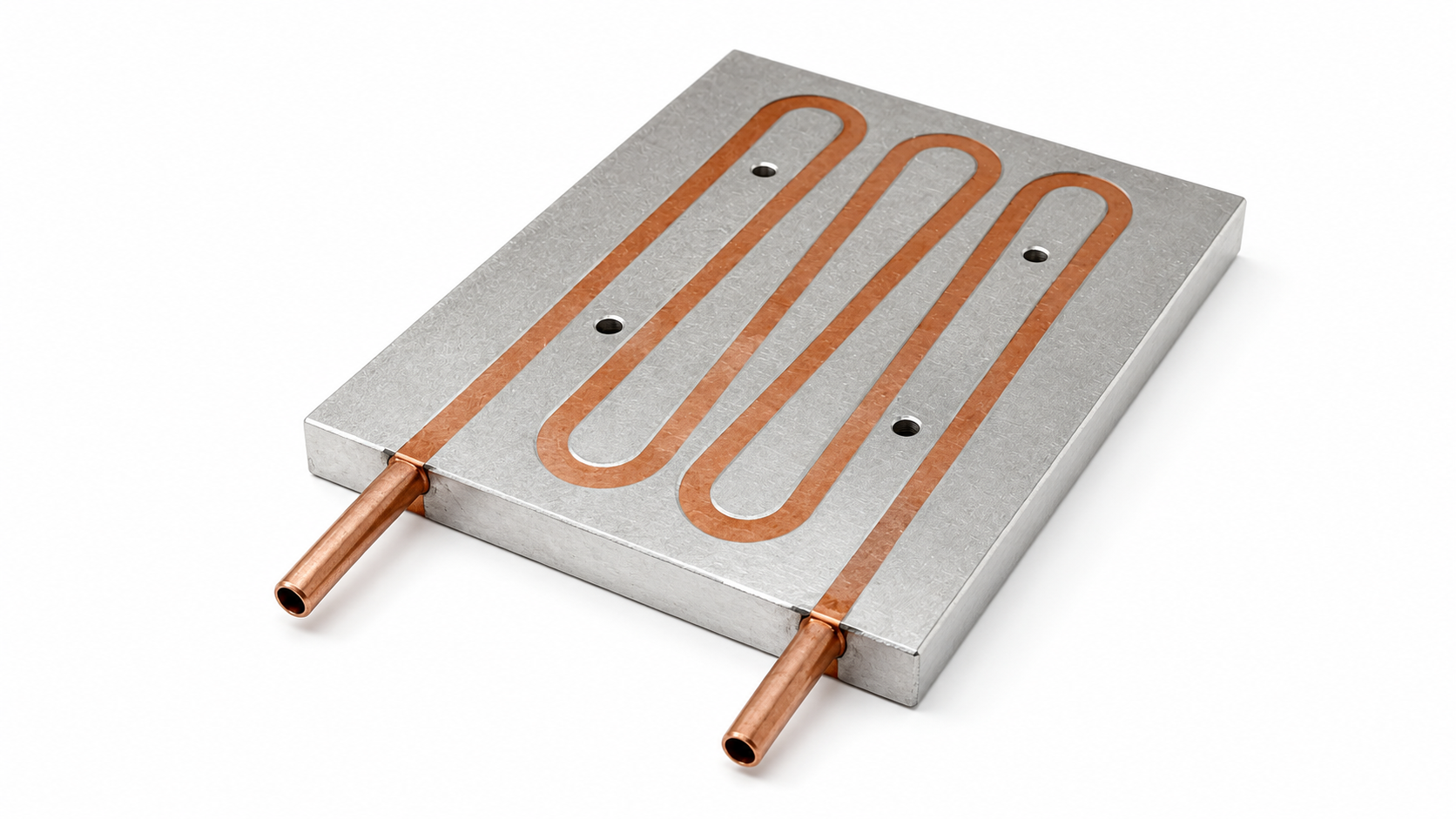
Embedded Tube Liquid Cold Plate
Grooves are machined into a metal plate, and copper or aluminum tubes are placed inside and fixed in position.
- Simple design, lower cost, and flexible production. Heat transfer is usually less efficient than a machined-channel cold plate.
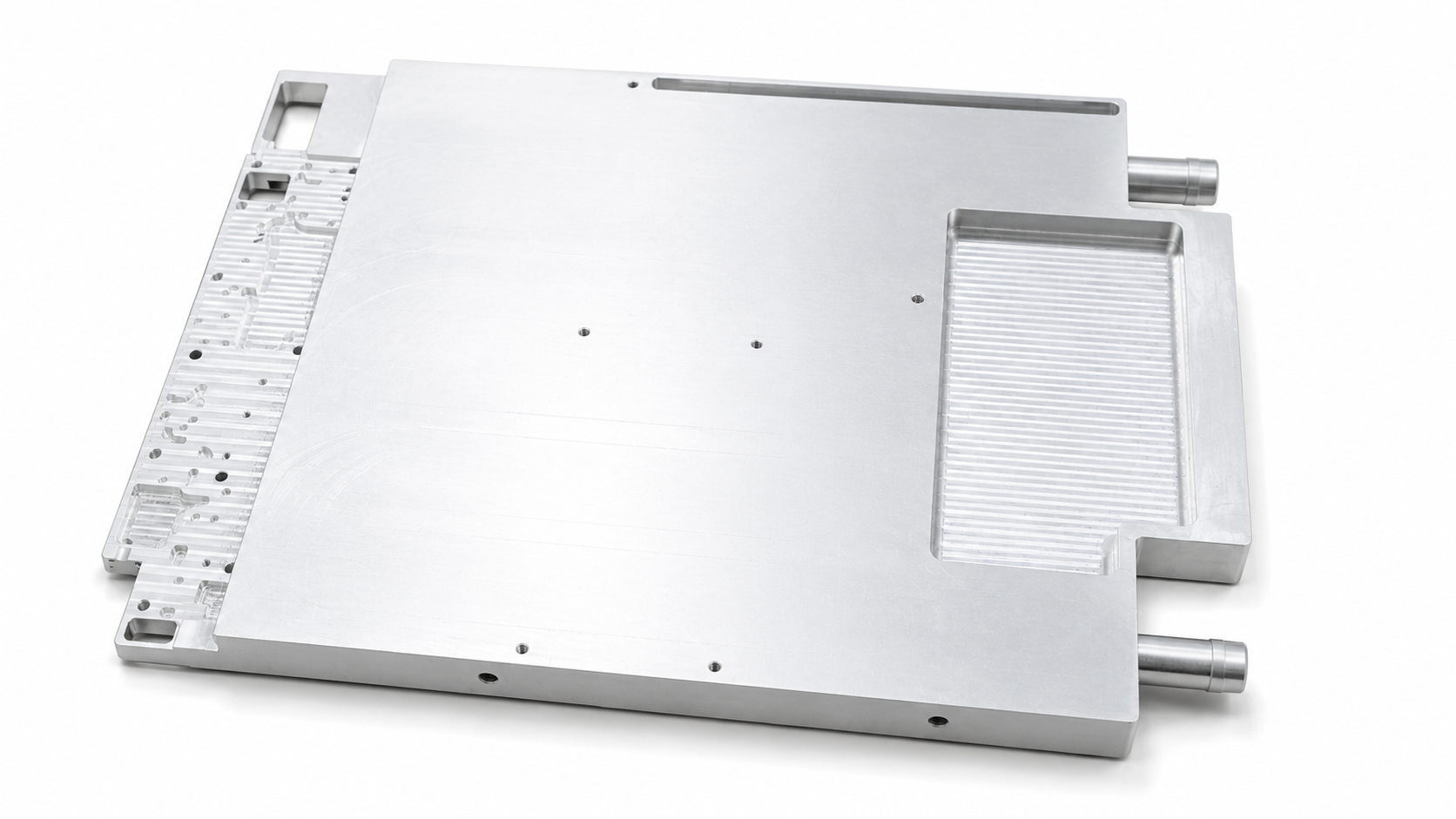
Brazed Liquid Cold Plate
Cooling channels are formed in the base plate, and a cover plate is brazed onto it to create sealed channels.
- Flexible channel design, good cooling performance, compact structure, and suitable for mass production.
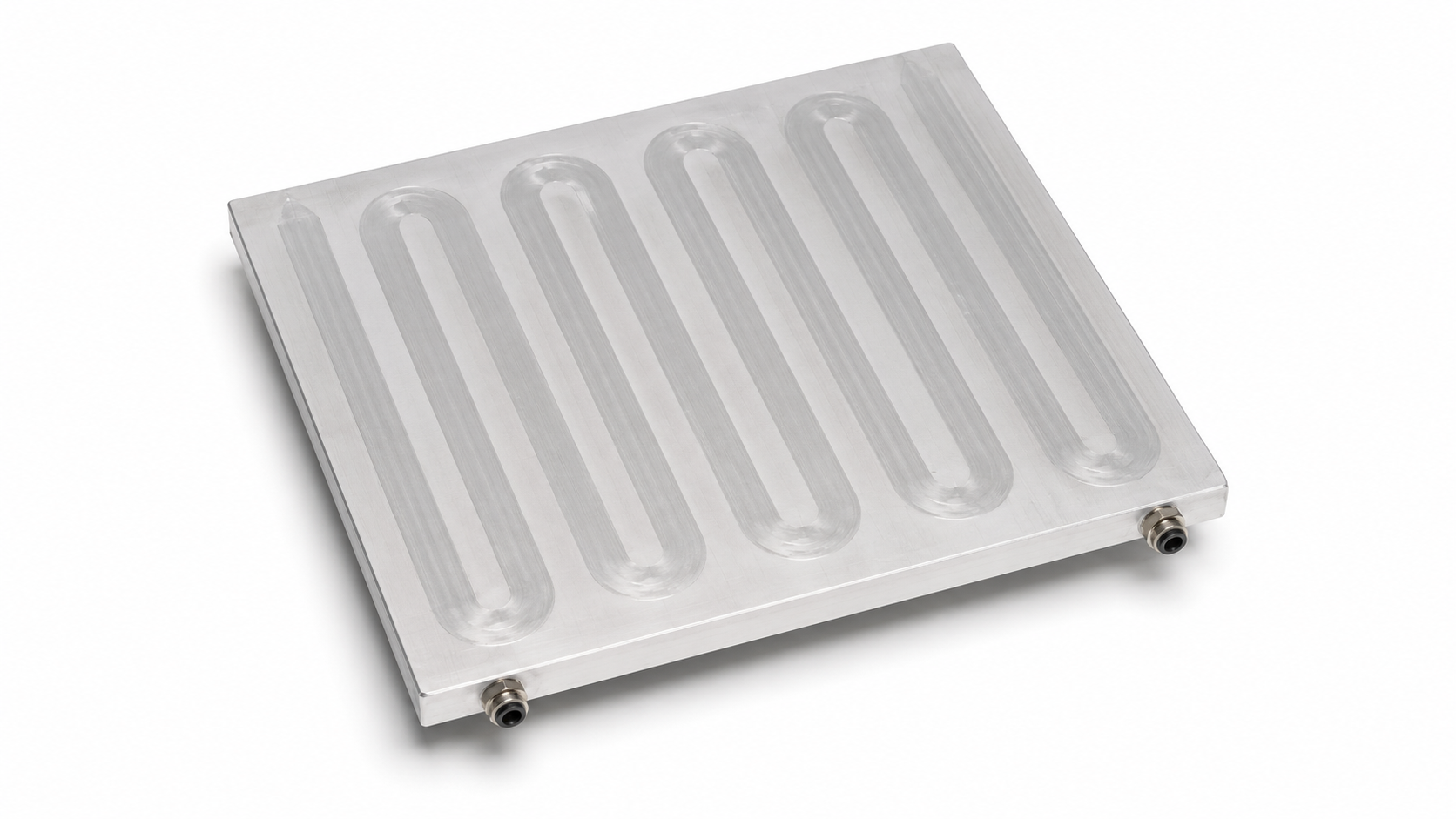
Friction Stir Welded (FSW) Liquid Cold Plate
Cooling channels are machined into an aluminum base plate, and the cover plate is sealed by friction stir welding.
- No filler material, strong welds, low deformation, and suitable for large or custom-shaped cold plates.
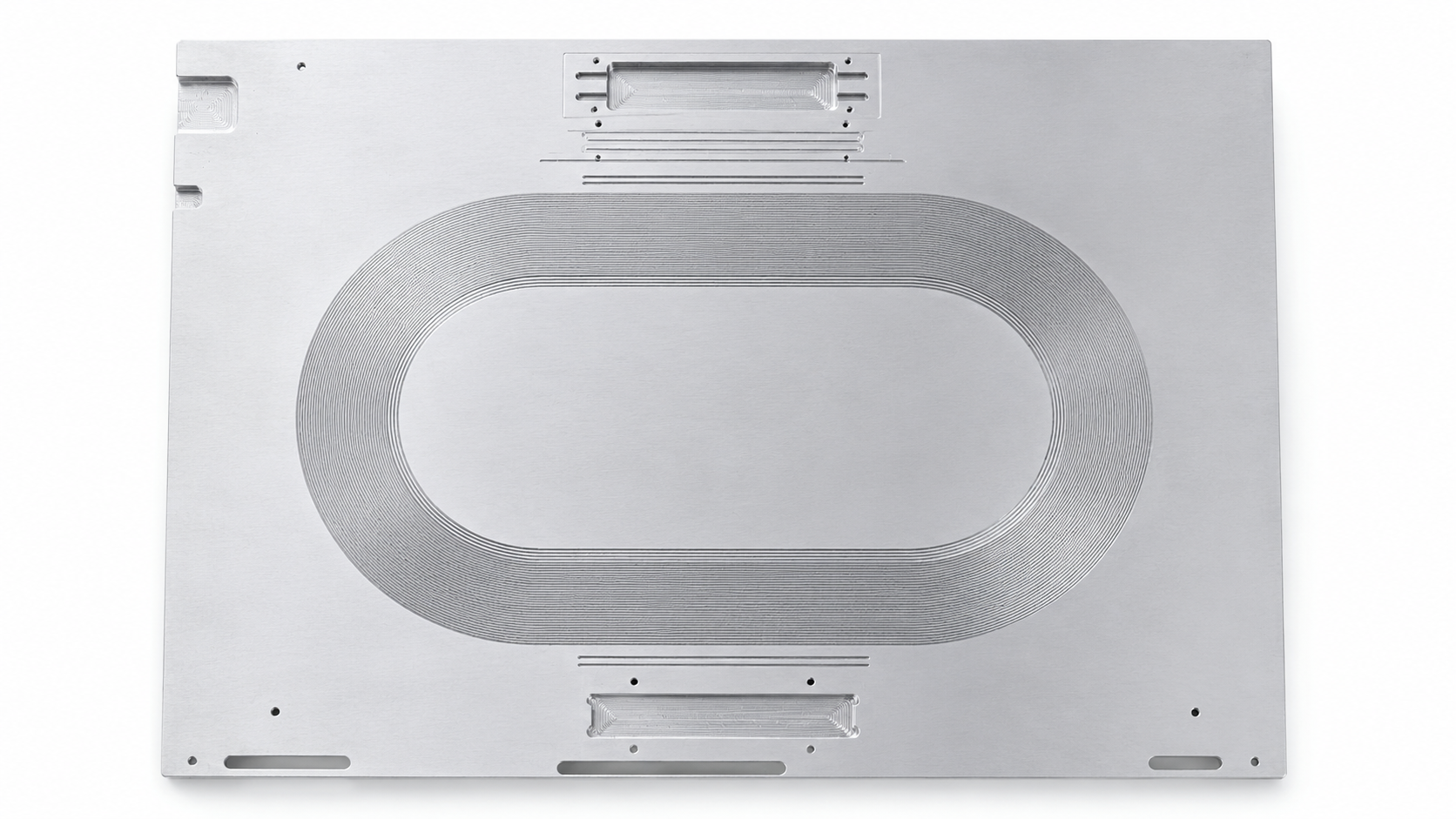
Spiral Channel Cold Plate
The spiral channel provides a larger cooling area and helps coolant flow around the heat source.
- Better temperature uniformity, fewer hot spots, and suitable for high-heat applications.
Applications of Liquid Cold Plates
A liquid cooling plate is suitable for high-power equipment where traditional air cooling is not enough. Common applications include:
- New energy vehicle battery packs, electric control systems, inverters, and charging modules
- Energy storage systems, power supplies, and power modules
- Servers, data centers, AI servers, and high-performance computing equipment
- Laser equipment, fiber lasers, and optical devices
- Medical equipment, inspection instruments, and laboratory equipment
- Industrial automation equipment, servo drives, and control modules
- Semiconductor equipment, communication equipment, and high-power electronic components
Thermal Simulation & CFD Modeling
At XY-GLOBAL, our engineering team provides thermal simulation and CFD modeling to evaluate temperature distribution, coolant flow, and pressure drop. This helps optimize flow-channel design, improve cooling performance, and reduce design risks before production.
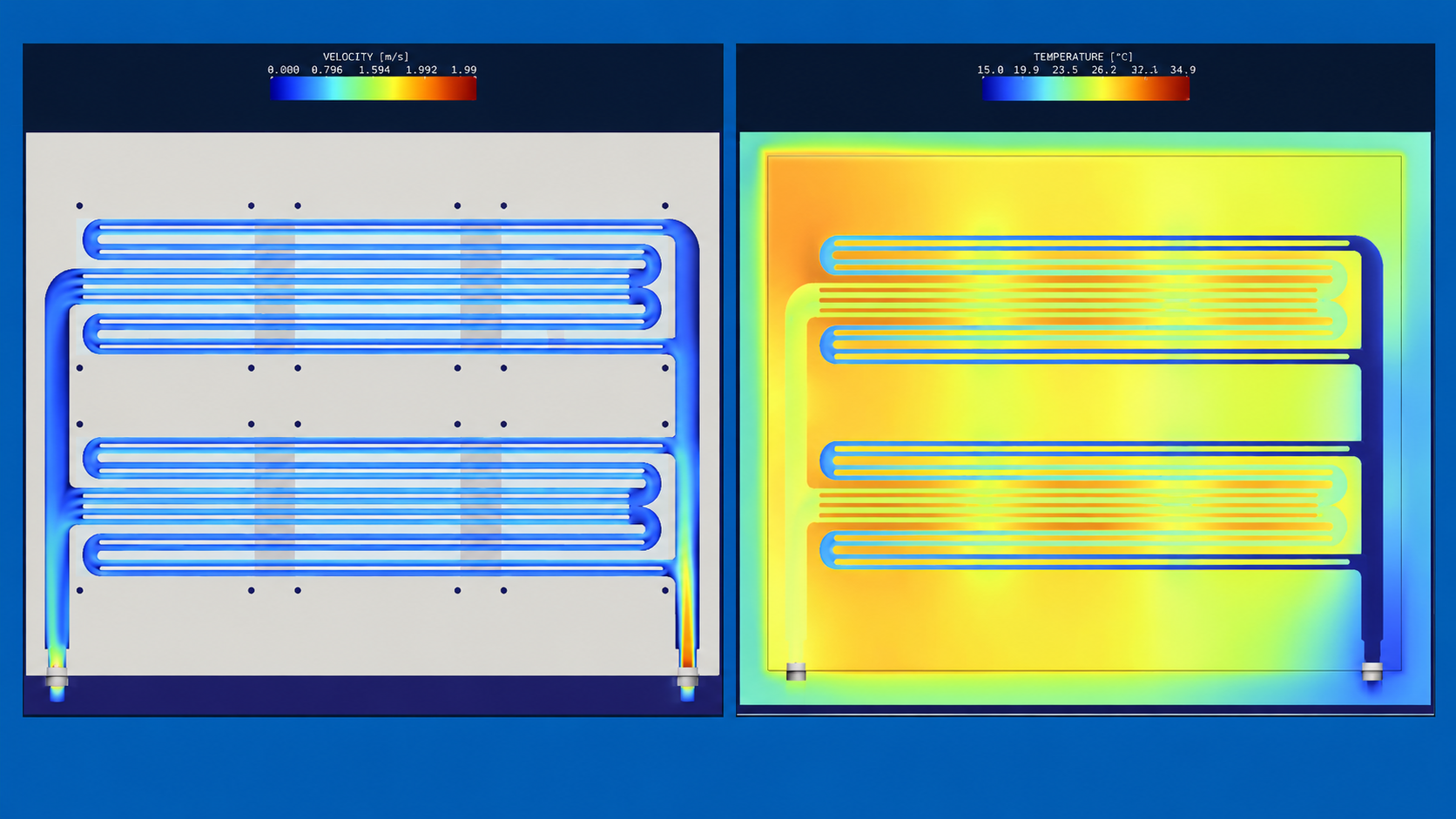
Switching Power Supply Water Cold Plate
Structural and thermal design with optimized coolant flow and temperature uniformity.
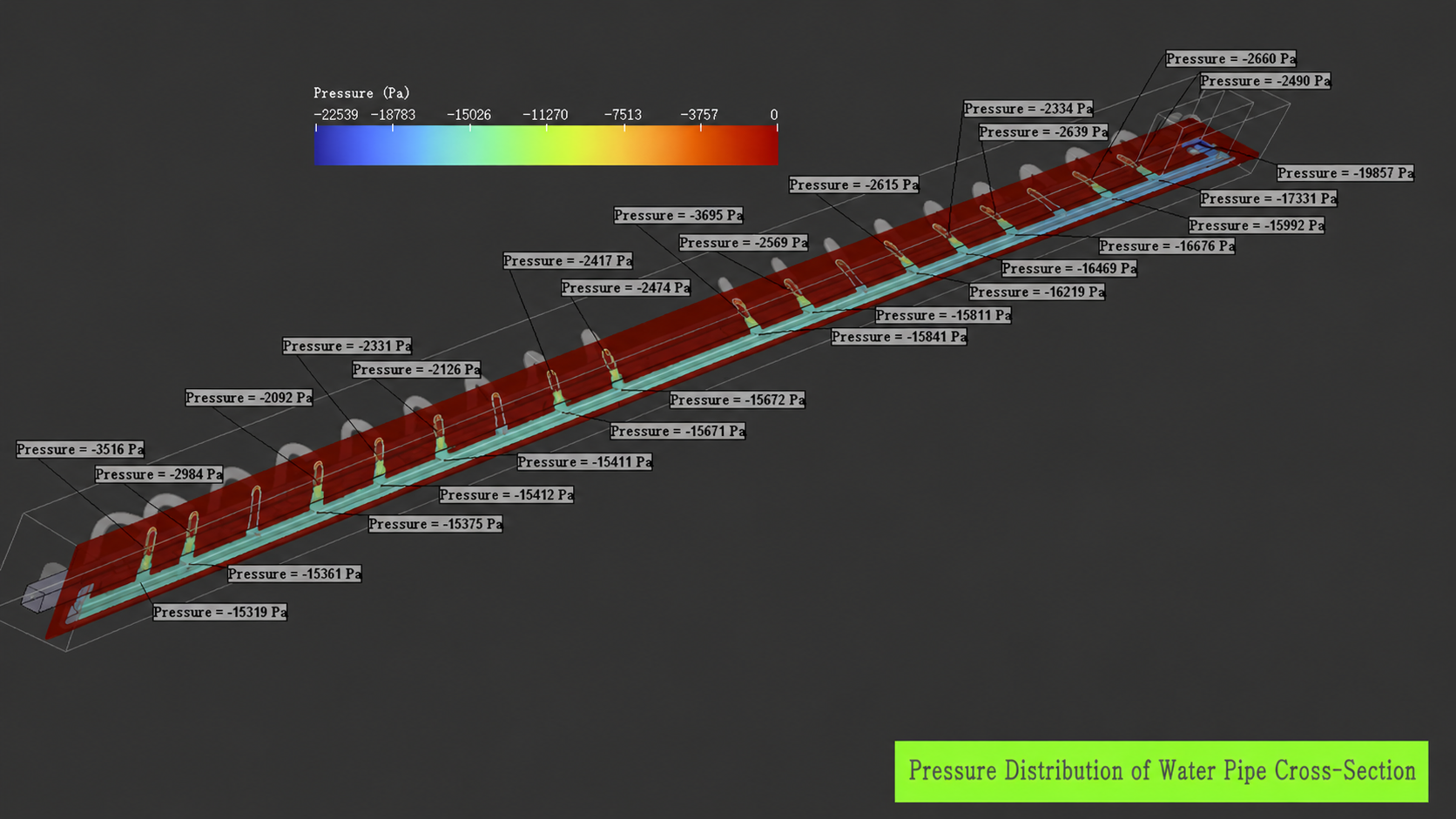
CFD Modeling of a Liquid Cooling Distribution Plate
Custom manifolds designed for uniform coolant distribution.
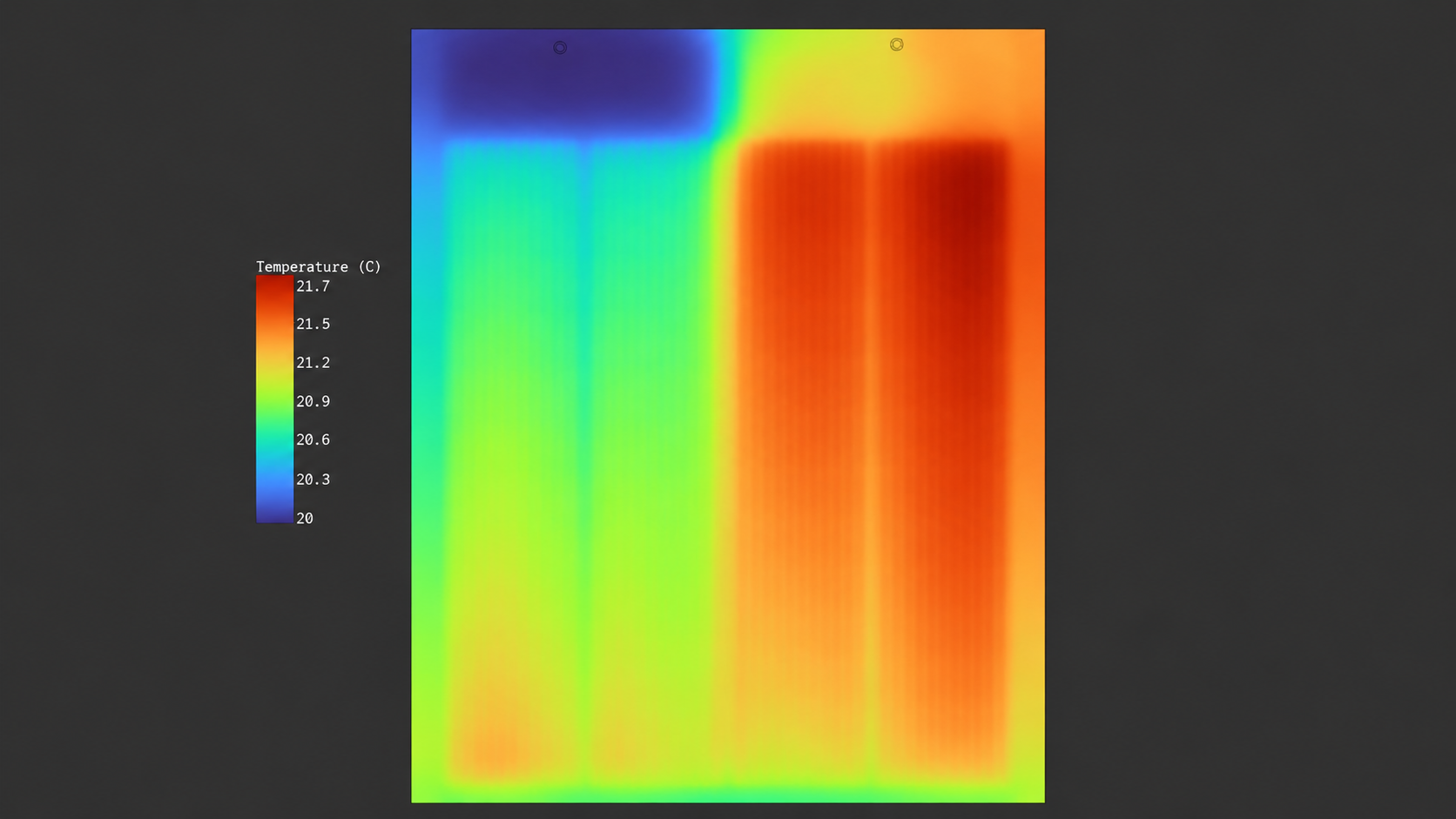
Battery Pack Water Cold Plate Thermal Simulation
Provide thermal analysis and cold plate channel design, optimizing flow resistance and temperature uniformity.
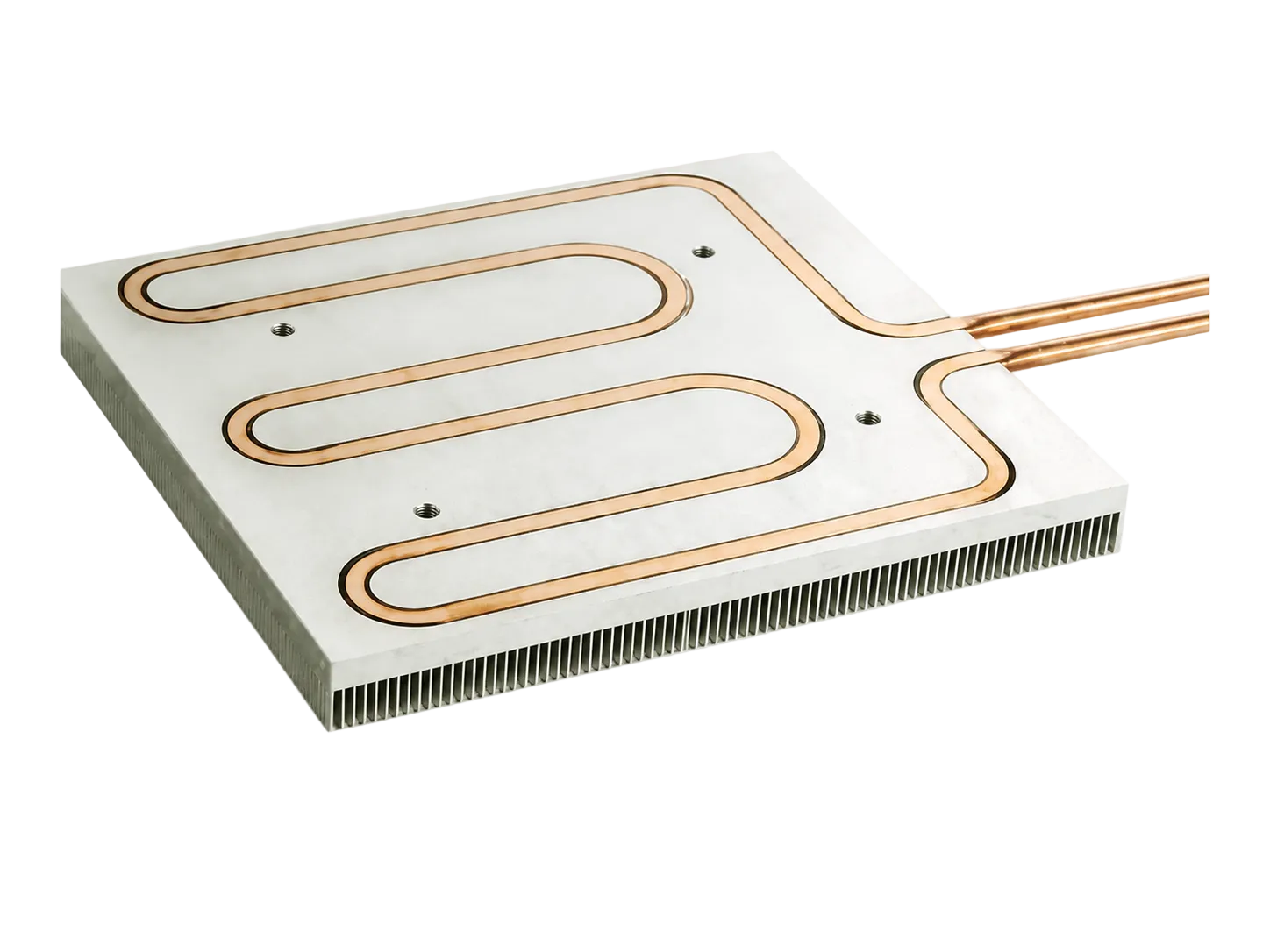
Custom Liquid Cold Plates Design
XY-GLOBAL manufactures custom liquid cold plates based on your drawings. Dimensions, flow channels, ports, materials, finishes, and tolerances can all be customized for your application. Whether you have a completed design or an early-stage concept, our engineering team can offer free DFM to turn your design into a reliable, production-ready liquid cold plate.
Material Options
- Aluminum alloys
- Copper
- Stainless steel
- Other materials upon request
Flow Channel Options
- Meso-channel designs
- Parallel flow channels
- Embedded tube and manifold designs
Manufacturing Processes
- Precision CNC machining
- Friction stir welding (FSW)
- Laser welding
Why Choose XY-Global for Liquid Cooling Plates
Backed by 15+ years of cold plate engineering and manufacturing expertise, we specialize in manufacturing high-performance liquid cold plates (LCPs):
- Precision Manufacturing: 5-axis CNC machining, friction stir welding, and laser welding support complex flow channels & high-precision surfaces with machining accuracy up to 0.005 mm.
- Detailed Inspection & Testing: 2.5D and CMM inspection, combined with 100% pressure-hold and leak testing, ensure dimensional accuracy and product reliability.
- Prototype to Mass Production: Support rapid prototyping, small-batch validation, and stable volume production.
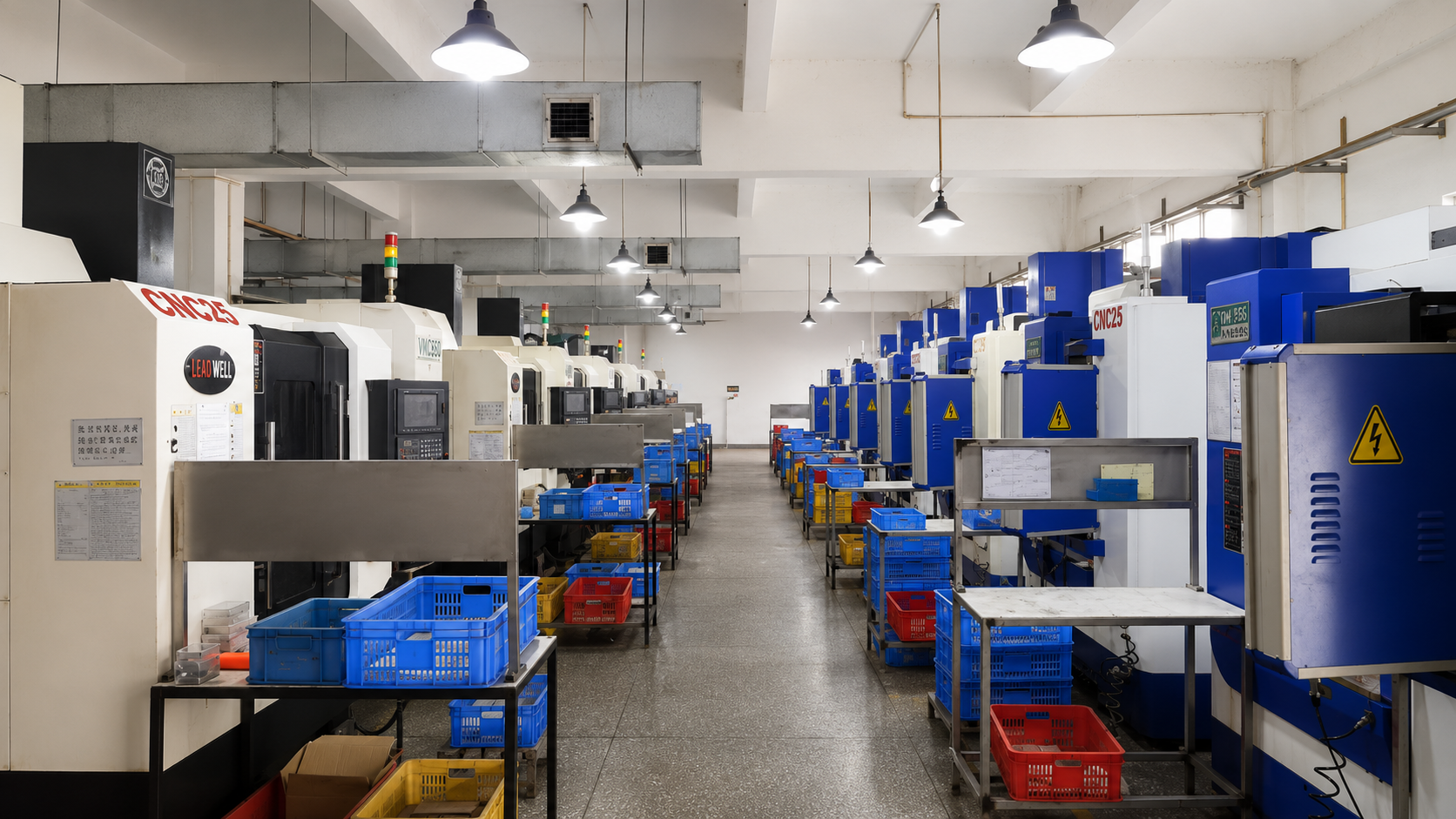
CNC Machining Workshop
Multiple high-precision CNC machining centers with machining travels up to 1300 × 600 × 600 mm and accuracy up to 0.005 mm for large, complex, and high-precision water cold plates while improving machining stability.
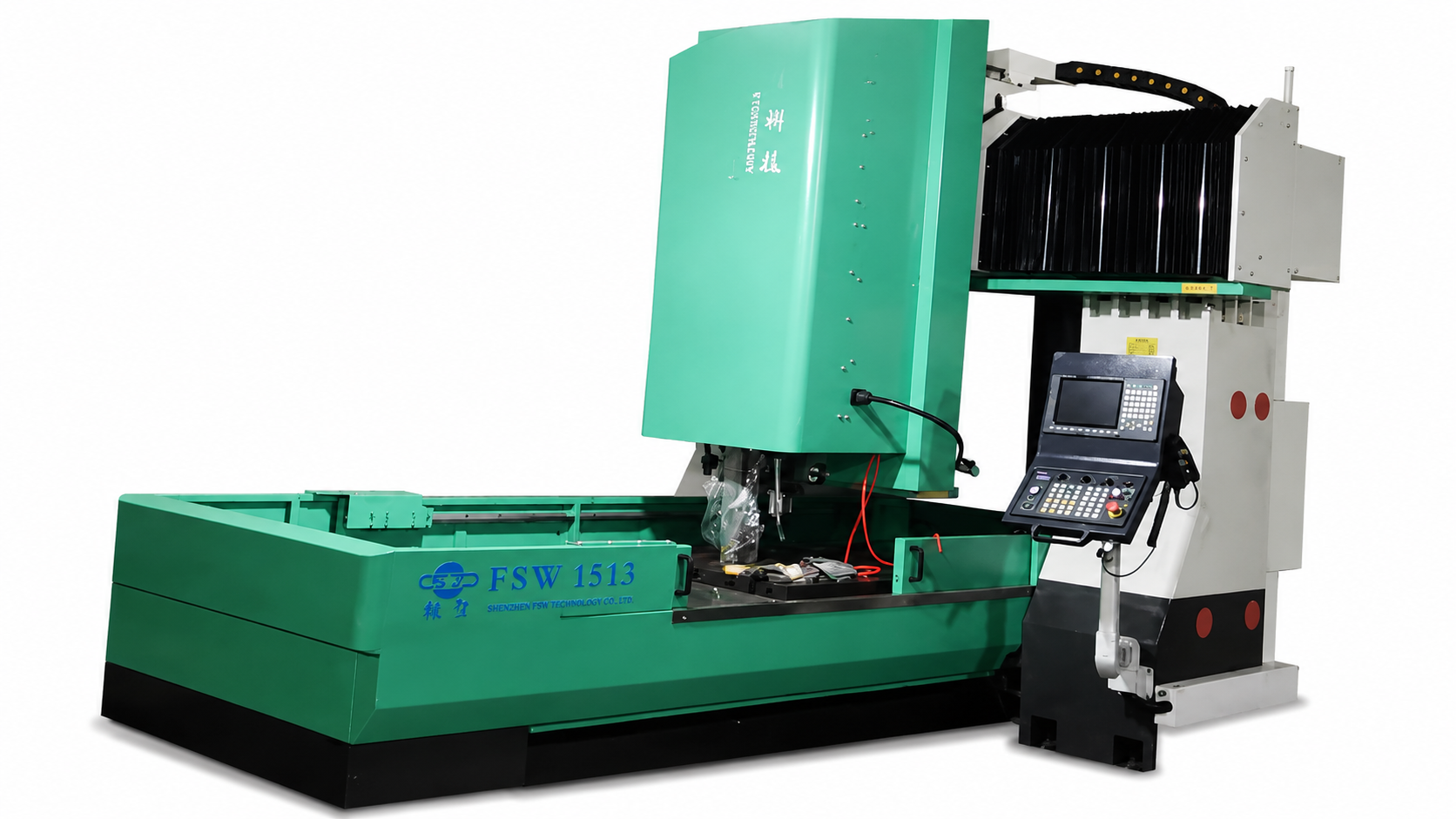
Friction Stir Welding Machine
Working area of up to 1500 × 1300 mm, suitable for continuous sealing of large and irregularly shaped parts to reduce repositioning and segmented welding.
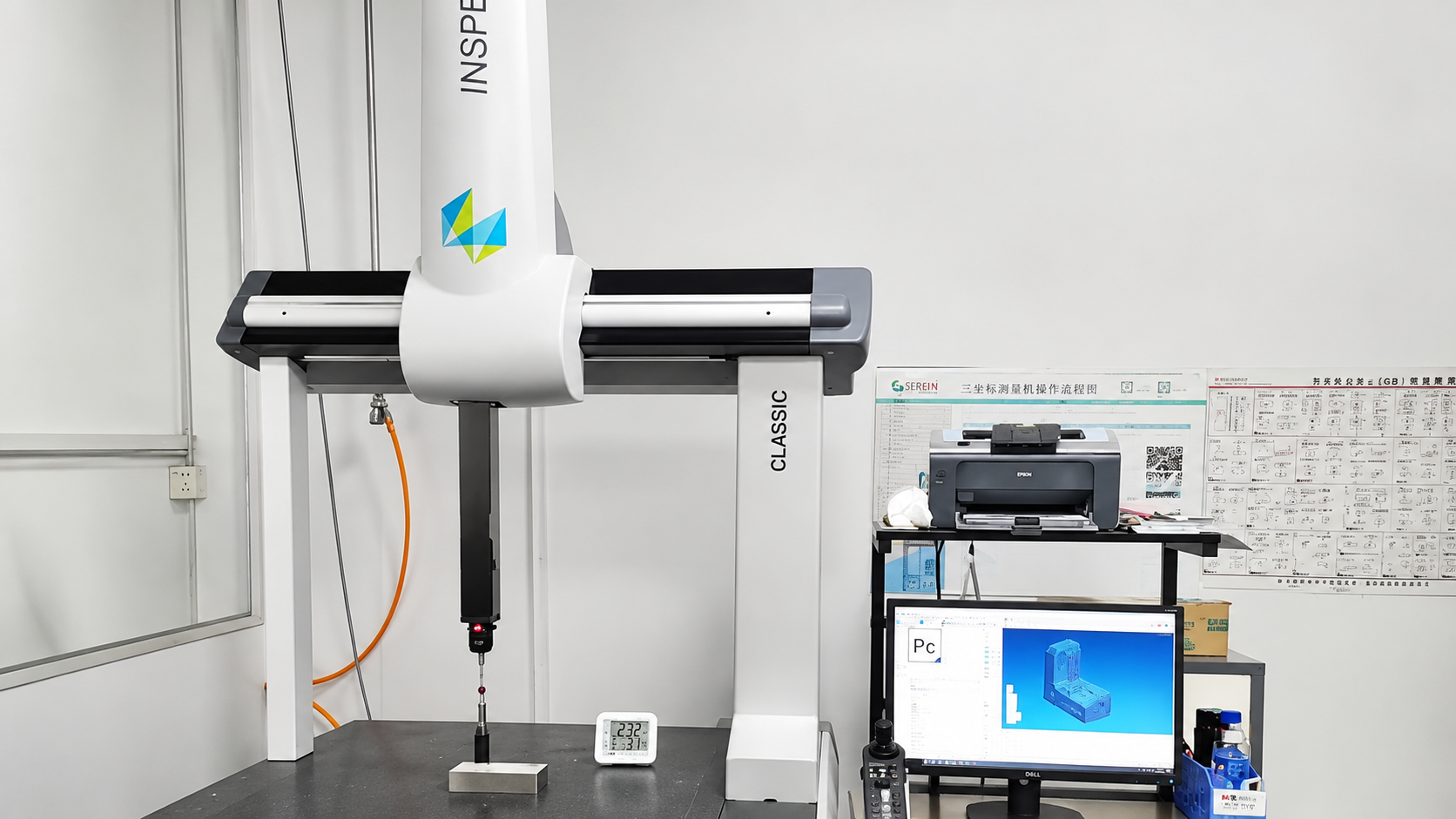
CMM
Measurement accuracy up to 0.001 mm to inspect critical dimensions, hole positions, flatness, and complex geometries for consistent product quality and reduced assembly and rework risks.
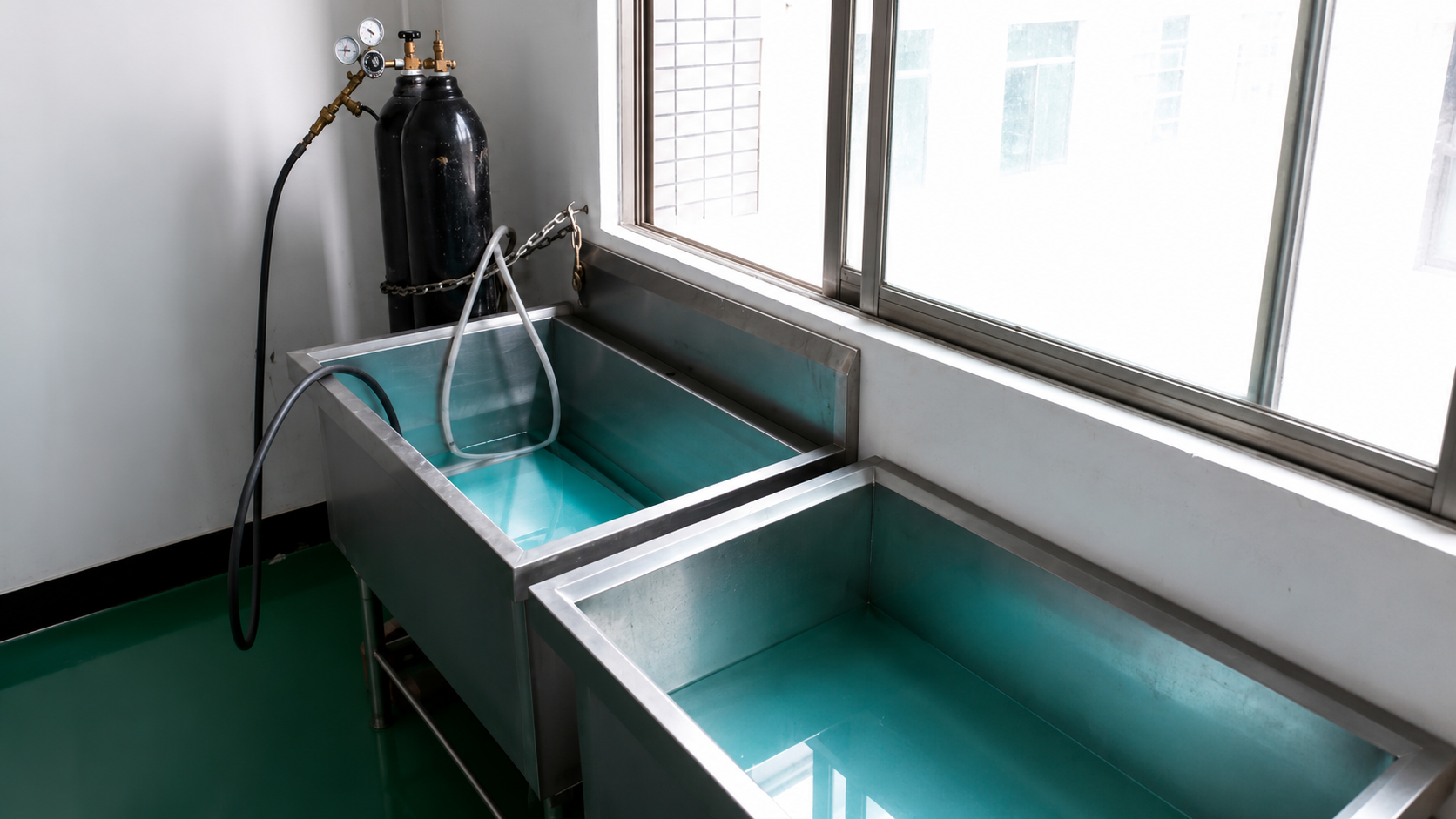
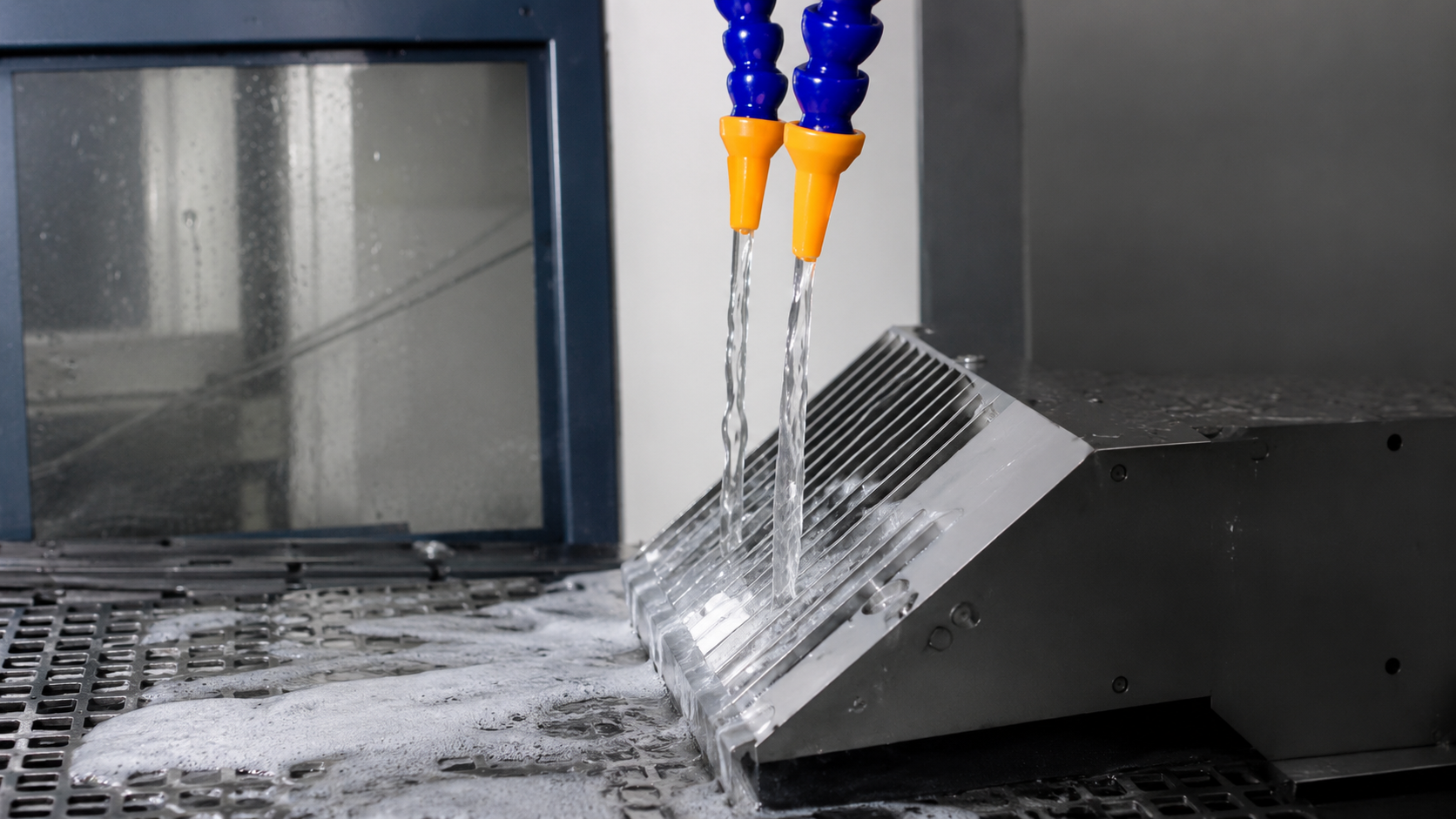
Leak Testing
100% pressure and leak testing on every liquid cold plate to verify sealing performance and detect potential leakage to ensure reliable coolant circulation, reduce failure risks, and improve long-term product safety and performance.
Liquid Cold Plate FAQs
1. What is a liquid cold plate?
A liquid cold plate transfers heat from electronic components to a circulating coolant through internal cooling channels. It is commonly used for high-power equipment requiring efficient and stable cooling.
2. What are the advantages of liquid cooling compared with air cooling?
Liquid cooling transfers heat more efficiently than air cooling. It can handle higher heat loads, reduce hot spots, save installation space, and operate with less noise.
3. What coolants are commonly used in liquid cooling systems?
Common coolants include deionized water, water-glycol mixtures, dielectric fluids, and special cooling oils. The right coolant depends on temperature, corrosion resistance, electrical insulation, and system requirements.
4. What information is required for a liquid cold plate quotation?
Please provide your 2D or 3D drawings, material, dimensions, coolant type, flow rate, operating pressure, heat load, inlet and outlet positions, surface treatment, and required quantity.
5. What is the typical lead time for a custom liquid cold plate?
Lead time depends on the design complexity, material, welding process, testing requirements, and order quantity. Prototypes generally require less time than mass-production orders.
6. How do I choose the right liquid cold plate?
The right design depends on heat load, heat source location, coolant flow rate, pressure drop, operating pressure, available space, and installation method. Our engineers can review these requirements before production.