


지식
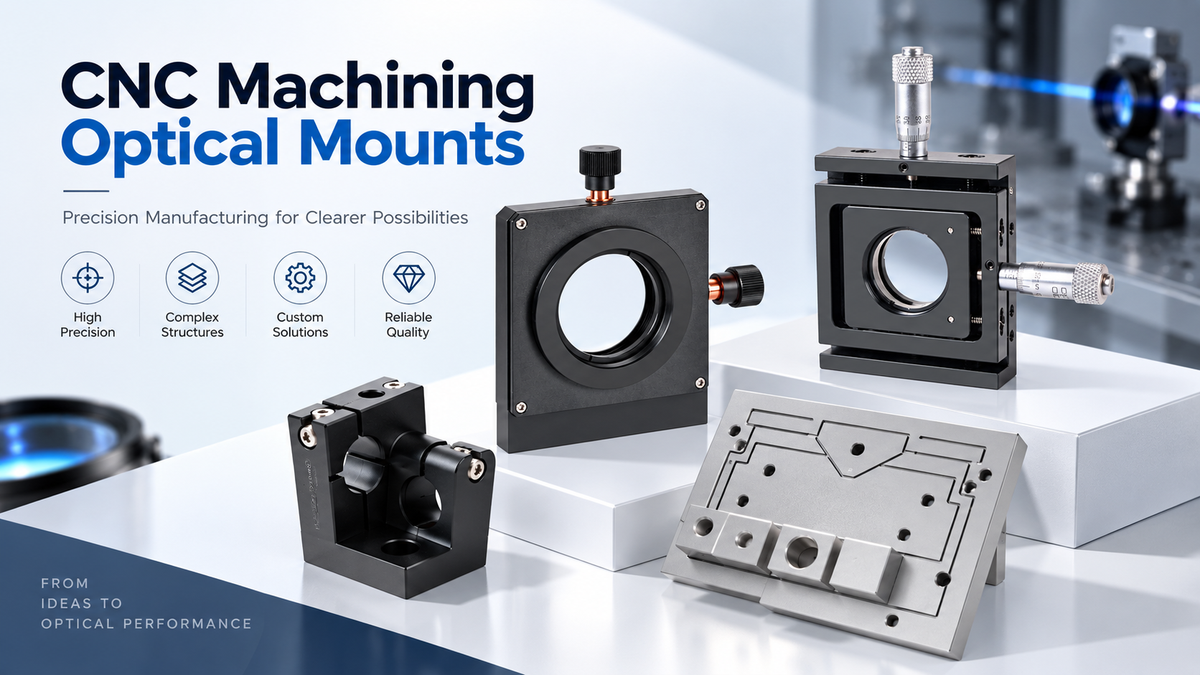
안정적이고 반복 가능한 광학 시스템을 위한 CNC 가공 광학 마운트
광학 마운트는 도면상의 모든 치수를 충족하더라도 조립 후 정렬 문제를 일으킬 수 있습니다. 흔히 발생하는 문제로는 고르지 않은 장착면, 홀 위치 오류, 아노다이징 후의 빡빡한 끼워맞춤, 얇은 부분의 변형 등이 있습니다. 이러한 문제들은 개별적으로 보면 사소해 보일 수 있습니다. 그러나...
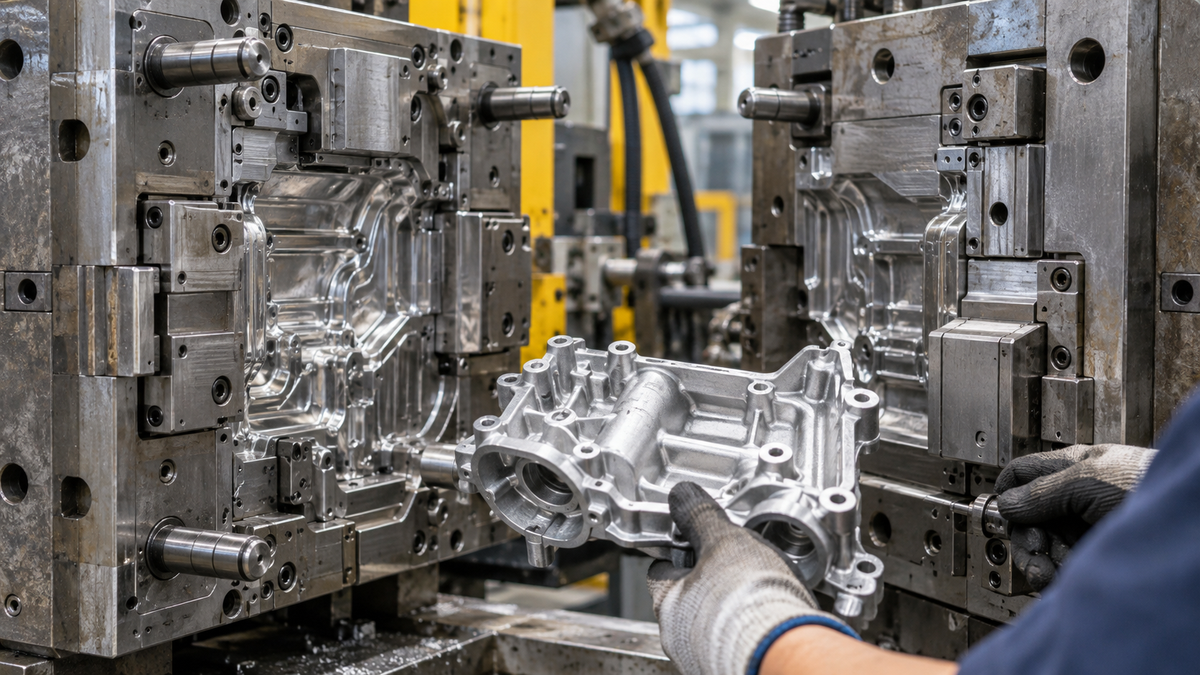
숙련된 알루미늄 다이캐스팅 제조업체는 일반적으로 경량, 구조적 강도, 우수한 열전도율, 생산 효율성의 균형이 필요한 부품을 다룹니다. 대표적인 알루미늄 다이캐스팅 부품은 다음과 같습니다. 모터 하우징 기어박스 하우징 전자 장비 인클로저 방열 부품 장착 브래킷 자동차 구조 부품 로봇 부품 산업용 장비...
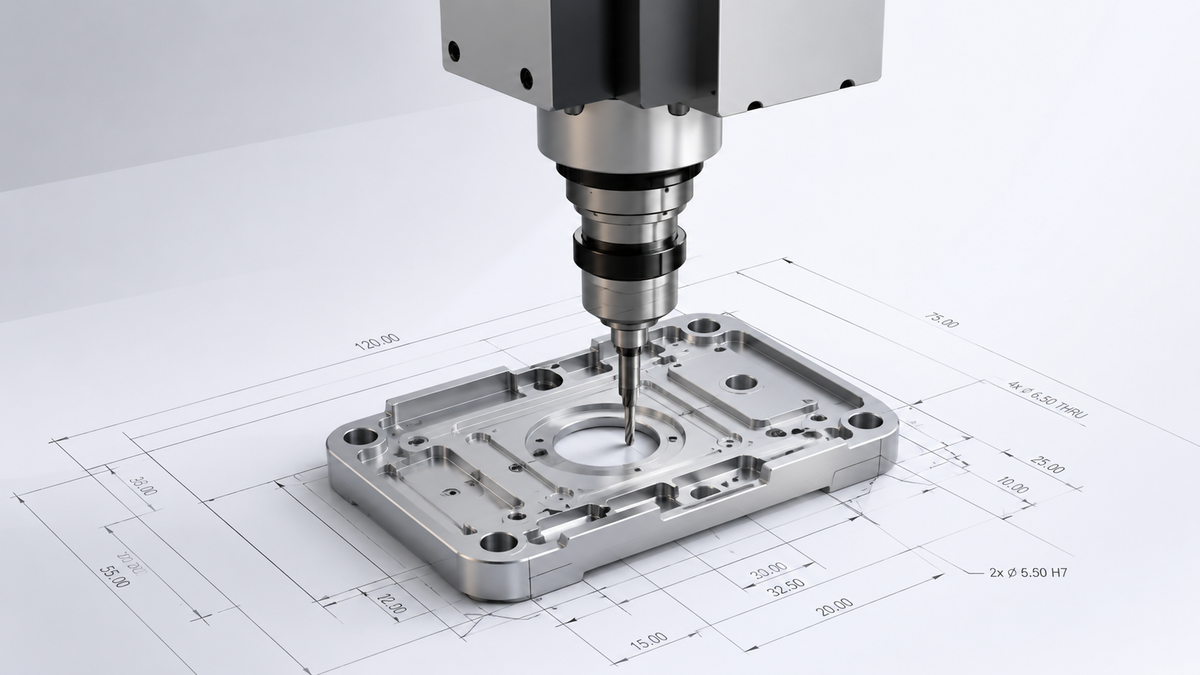
정밀 제조 분야에서 적절한 성형 공정을 선택하는 것은 부품 품질, 생산 효율성 및 전체 비용에 큰 영향을 미칠 수 있습니다. 스탬핑(Stamping)과 프리폼(Preforming)은 일관된 치수, 최적화된 재료 사용 및 신뢰할 수 있는 성능을 갖춘 금속 및 분말 기반 부품을 생산하는 데...

현대 의료 기기는 점점 더 소형화, 지능화, 자동화되고 있습니다. 이러한 첨단 시스템의 이면에는 매우 정밀한 모션 제어를 필요로 하는 초소형 기계 부품들이 있으며, 정밀 기어는 이 과정에서 결정적인 역할을 합니다. 수술 기구 및 실험실 자동화 장비부터 약물 전달 시스템과 의료용...
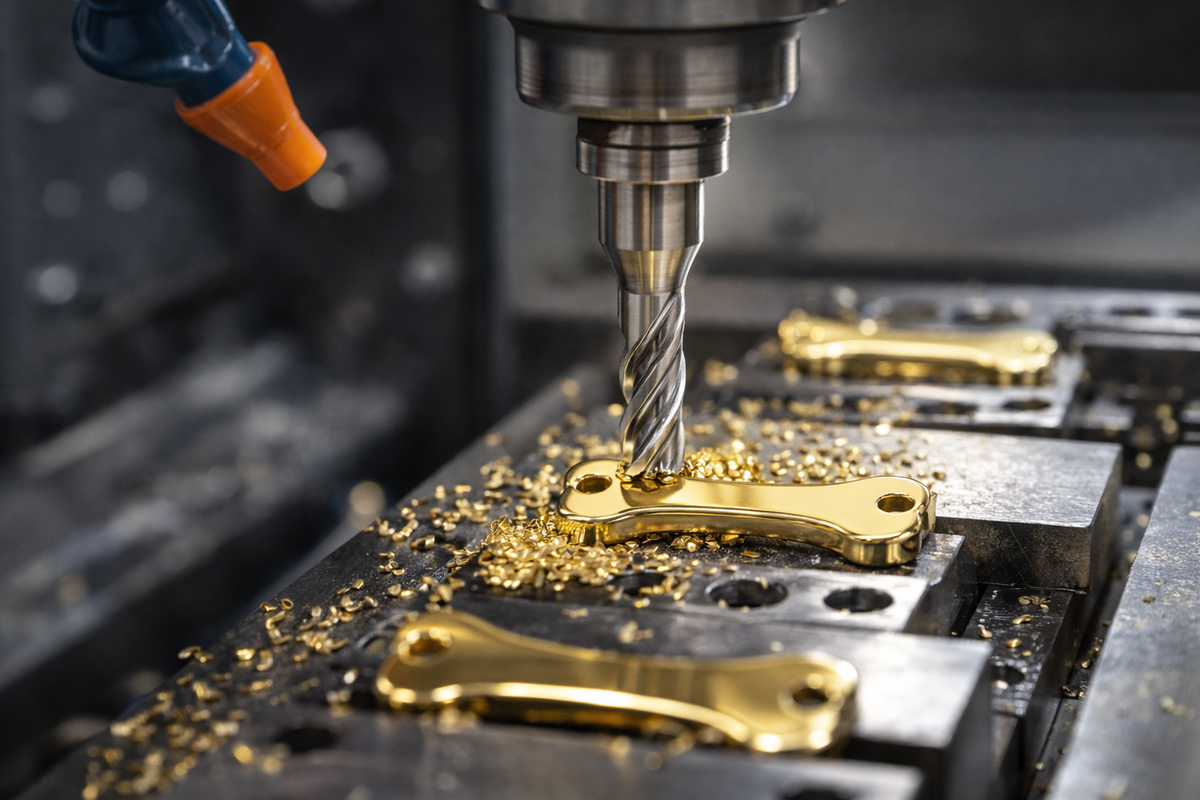
초정밀 다이아몬드 선삭이 어떻게 0 공차 CNC 가공을 구현하는가
최첨단 제조 분야에서 제로 공차(0 tolerance) CNC 가공은 정밀도가 서브 마이크론(sub-micron) 수준에 도달하여 아주 미세한 편차조차 허용되지 않는 최고 수준의 기준을 의미합니다. 이는 기존의 CNC 공정만으로는 달성하기 어렵습니다. 산업이 서브 마이크론 가공으로 진화함에 따라, 설계의 완벽함과 실제 생산 사이의 간극을...
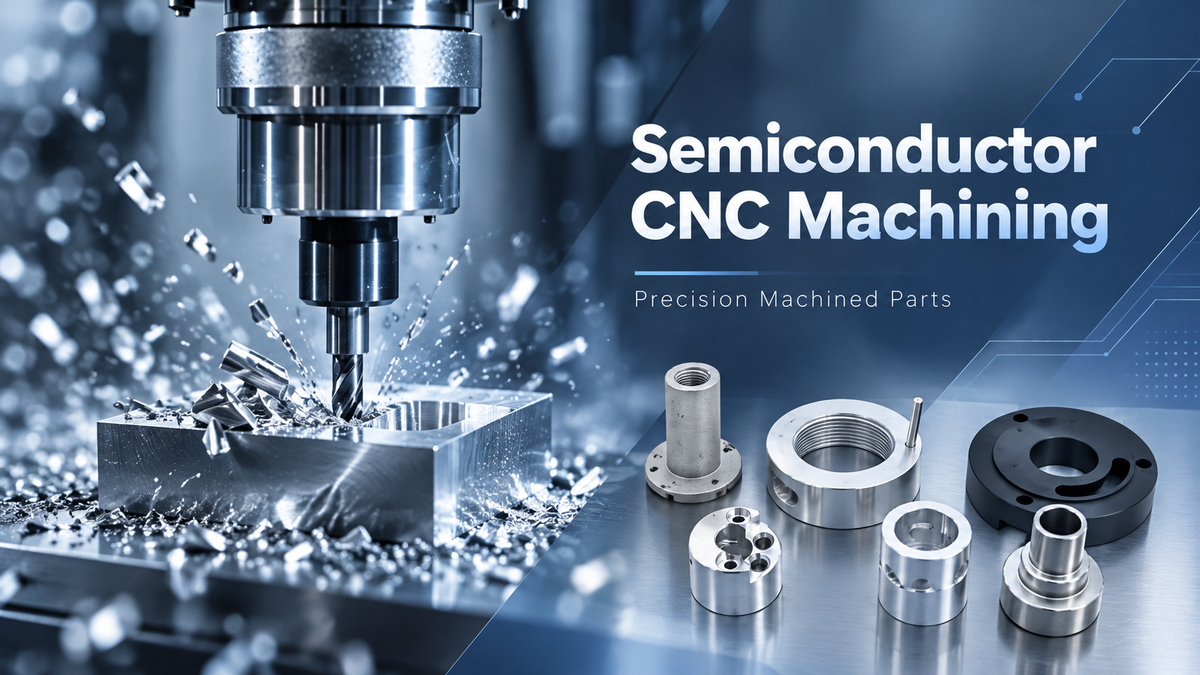
반도체 CNC 가공: 정밀 부품, 공정, 소재 및 설계
이 가이드에서는 주요 반도체 CNC 가공 공정, 일반적인 소재, 맞춤형 부품 설계, 5축 가공, 변형 제어, 검사 및 반도체 CNC 가공 업체를 선택할 때 고려해야 할 핵심 요소에 대해 설명합니다.

긴 금형 수명을 지향하는 맞춤형 다이캐스팅 금형 제조 업체
맞춤형 다이캐스팅 금형 제조업체를 선정할 때, 많은 구매자가 우선적으로 툴링(금형) 가격에 집중합니다. 하지만 다이캐스팅 프로젝트의 실제 비용은 단순히 금형 가격만으로 결정되지 않습니다. 조기에 고장 나는 금형은 생산 중단, 수리, 품질 문제, 납기 지연 등을 유발하여 훨씬 더 큰 비용을 발생시킬...
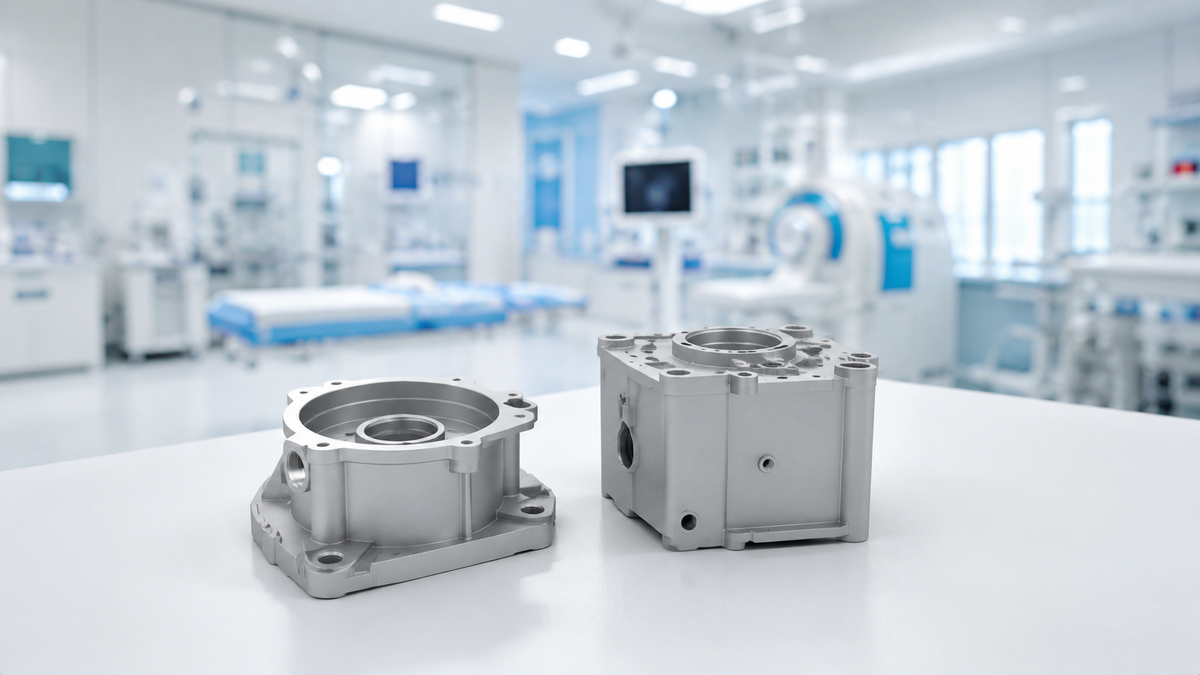
고압 다이캐스팅(HPDC)은 일관된 치수와 높은 생산 효율을 갖춘 복잡한 금속 부품을 생산하기 위한 효율적인 제조 공정입니다. 본 가이드에서는 HPDC 공정의 작동 원리, 주요 장점, 적합한 소재, 일반적인 응용 분야, 그리고 XY-GLOBAL이 툴링부터 대량 생산까지 프로젝트를 어떻게 지원하는지 설명합니다. 1. 고압...
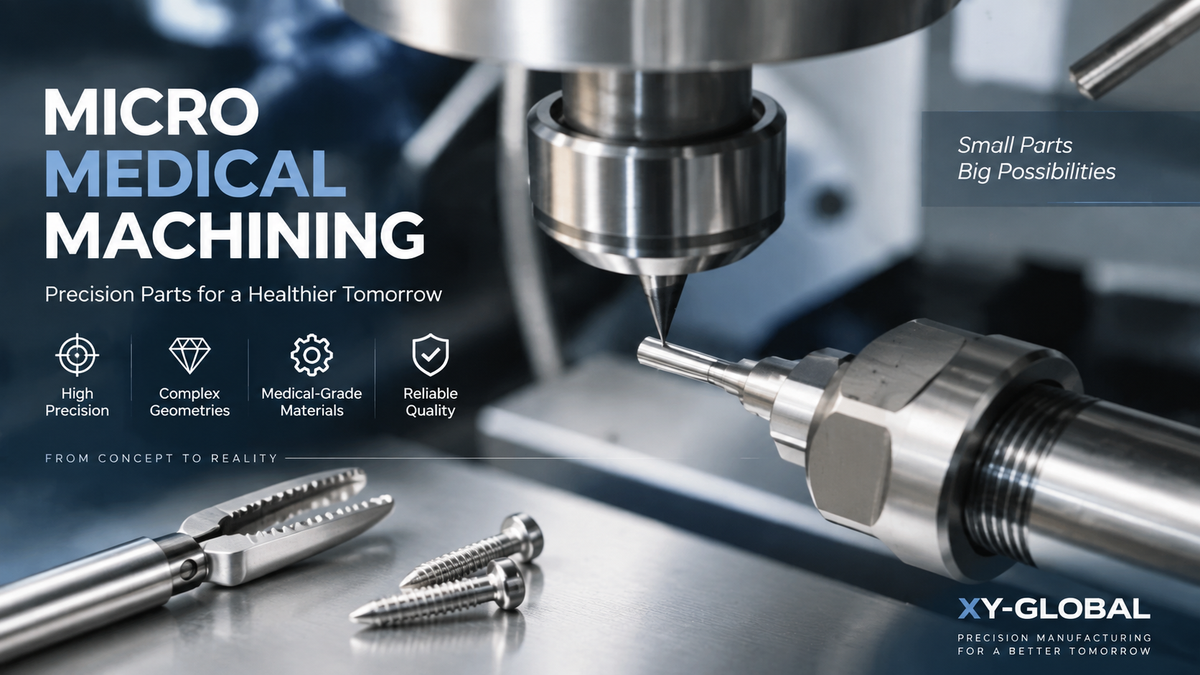
마이크로 메디컬 머시닝: 소형 및 복합 의료 부품을 위한 정밀 제조
의료기기가 점점 소형화되고 있습니다. 최소 침습 수술 도구부터 진단 시스템, 웨어러블 의료기기에 이르기까지, 엔지니어들은 성능을 향상시키면서 크기를 줄일 방법을 끊임없이 모색하고 있습니다. 하지만 부품을 작게 만든다고 해서 단순히 더 작은 도구를 사용하는 것을 의미하지는 않습니다. 마이크로 단위에서는 작은 세부 사항이...